


Top Strategies for Card Security Protection

In today’s fast-paced world, protecting sensitive information is more important than ever. One of the biggest threats organizations face is card cloning, a form of fraud where criminals copy the data from a payment or access card to create a duplicate. This can lead to unauthorized access, financial loss, and damage to reputation. I want to share some of the top strategies for card security protection that can help organizations stay one step ahead of these threats.
Understanding Card Security Protection: Why It Matters
Card security protection is essential for any organization that relies on cards for access control, payments, or identification. Whether you operate in commercial, industrial, public, or healthcare sectors, the risks of card cloning are real and growing. Criminals use sophisticated devices to skim card data, often without the cardholder noticing. This stolen data can then be used to create cloned cards that bypass security systems or make fraudulent transactions.
Implementing strong card security protection measures not only safeguards your assets but also builds trust with clients, employees, and partners. It’s about creating a secure environment where technology works for you, not against you.
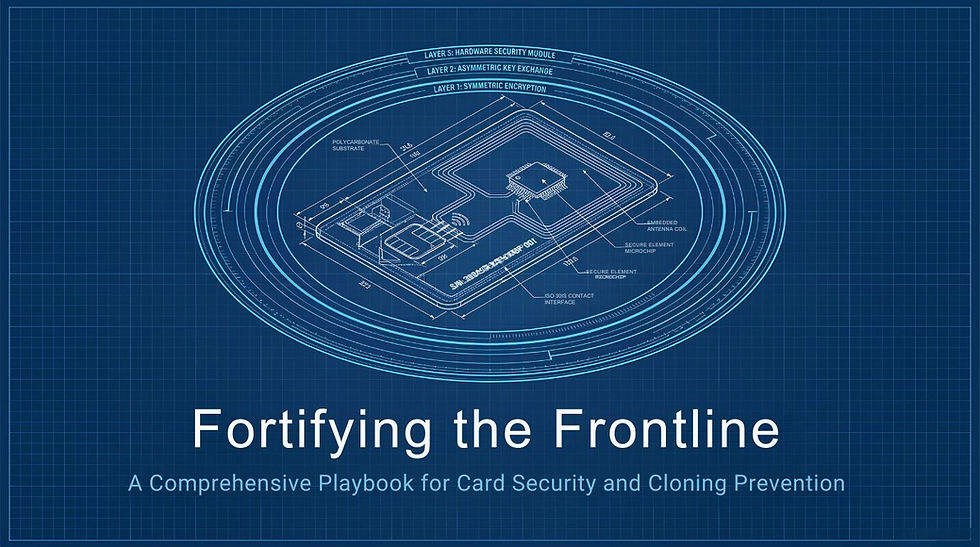
Key Strategies to Enhance Card Security Protection
There are several practical steps organizations can take to protect their cards from cloning. These strategies combine technology, policy, and awareness to create a robust defense.
1. Use Advanced Card Technologies
Traditional magnetic stripe cards are highly vulnerable to cloning. Upgrading to more secure card technologies is a critical first step. Consider:
EMV Chip Cards: These cards generate a unique transaction code for each use, making cloning extremely difficult.
Contactless Cards with Encryption: These use radio frequency identification (RFID) or near-field communication (NFC) with encrypted data transmission.
Multi-Factor Authentication Cards: Combining card use with PINs, biometrics, or mobile authentication adds extra layers of security.
2. Implement Secure Card Readers
Not all card readers are created equal. Using readers that support encrypted communication between the card and the reader can prevent data interception. Look for readers that:
Encrypt data immediately upon reading the card.
Detect and block unauthorized devices like skimmers.
Support firmware updates to patch vulnerabilities.
3. Regularly Monitor and Audit Card Usage
Keeping an eye on card activity helps detect suspicious behavior early. Set up systems to:
Track unusual access times or locations.
Flag multiple failed access attempts.
Review transaction logs for anomalies.
Regular audits ensure that any cloned card usage is caught quickly, minimizing damage.
4. Educate Employees and Users
Human error can undermine even the best technology. Training staff and users on card security best practices is vital. Encourage them to:
Report lost or stolen cards immediately.
Avoid sharing cards or PINs.
Be cautious when using cards in public or unfamiliar places.
Awareness reduces the chances of cards falling into the wrong hands.

Leveraging Cloud-Based Access Control for Enhanced Security
Modern security solutions are moving to the cloud, offering flexibility and advanced protection features. Cloud-based access control systems provide:
Real-Time Monitoring: Instantly track card usage and receive alerts.
Remote Management: Update permissions or revoke access from anywhere.
Integration with Video Surveillance: Correlate card activity with video footage for better incident analysis.
Scalability: Easily add or remove users as your organization grows.
These systems not only improve security but also support eco-friendly operations by reducing the need for physical infrastructure and paperwork.
Final Thoughts on Strengthening Your Card Security
Protecting your organization from card cloning requires a multi-layered approach. By upgrading to advanced card technologies, using secure readers, monitoring activity, educating users, and embracing cloud-based solutions, you can build a resilient defense. Remember, card cloning protection is not just about technology - it’s about creating a culture of security awareness and proactive management.
Taking these steps today will help future-proof your security, reduce costs, and promote a safer environment for everyone involved. Stay vigilant, stay informed, and keep your organization secure.


Comments