


Enhancing Hospital Security with Advanced Hospital Access Management

Hospitals are complex environments where safety and security are paramount. Protecting patients, staff, and sensitive information requires more than just traditional locks and keys. Today, advanced hospital access management systems are transforming how healthcare facilities control entry and monitor movement within their premises. These modern solutions not only improve security but also streamline operations and support compliance with healthcare regulations.
In this post, I will share insights into how hospitals can enhance their security using cutting-edge access control technologies. I’ll explain the benefits, practical applications, and key considerations for implementing these systems effectively.

Why Hospital Access Management Matters More Than Ever
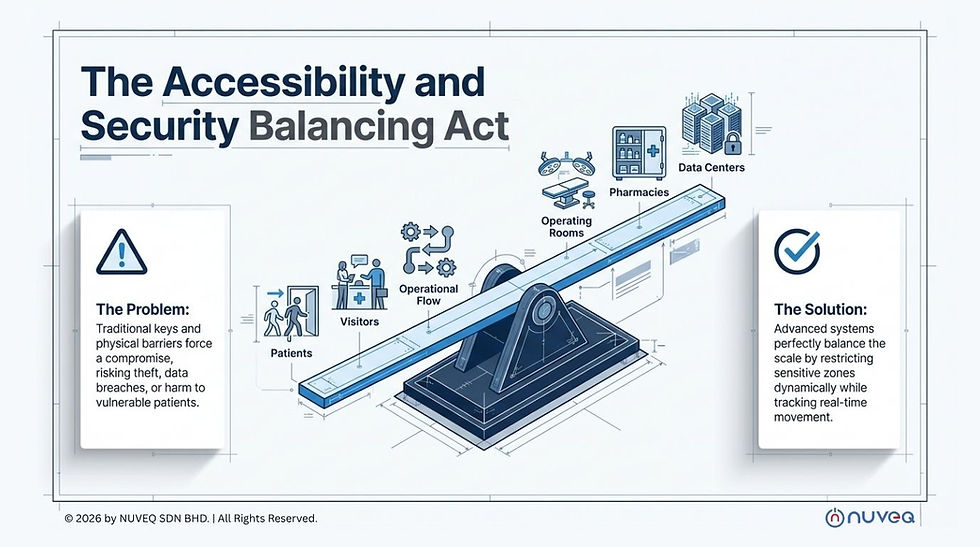
Hospitals face unique security challenges. They must balance open access for patients and visitors with strict controls to protect restricted areas like operating rooms, pharmacies, and data centers. Unauthorized access can lead to theft, data breaches, or even harm to vulnerable patients.
Advanced hospital access management helps address these challenges by:
Restricting access to sensitive zones based on roles and schedules.
Tracking movement of staff and visitors in real time.
Integrating with video surveillance for comprehensive monitoring.
Providing audit trails for compliance and incident investigations.
For example, a hospital can use badge-based entry systems that only allow authorized personnel into medication storage rooms during specific hours. This reduces the risk of drug diversion and ensures accountability.
Key Technologies Driving Modern Hospital Access Management
Several technologies are at the core of advanced hospital access management systems. Understanding these can help organizations choose the right solutions for their needs.
1. Cloud-Based Access Control
Cloud platforms enable centralized management of access permissions across multiple hospital locations. Administrators can update access rights instantly from anywhere, improving responsiveness and reducing IT overhead.
2. Biometric Authentication
Fingerprint, facial recognition, or iris scanning add an extra layer of security beyond traditional cards or PINs. Biometrics ensure that only the right individuals gain entry, minimizing risks of lost or stolen credentials.
3. Mobile Credentials
Smartphones can serve as secure access keys, allowing staff to unlock doors with an app. This reduces the need for physical badges and supports contactless entry, which is especially valuable in healthcare settings.
4. Integration with Video Surveillance
Combining access control with video cameras provides visual verification of entries and exits. This integration helps security teams respond quickly to suspicious activity and supports investigations.
5. Real-Time Alerts and Reporting
Advanced systems send instant notifications if unauthorized access attempts occur or if doors are left open. Detailed reports help hospitals maintain compliance with regulations like HIPAA and Joint Commission standards.
Practical Steps to Implement Advanced Hospital Access Management
Implementing a new access control system in a hospital requires careful planning and collaboration. Here are some actionable recommendations:
Assess Your Security Needs
Identify critical areas requiring restricted access.
Determine user groups and their access levels.
Evaluate existing security infrastructure and integration capabilities.
Choose Scalable and Flexible Solutions
Opt for cloud-based platforms that can grow with your facility.
Select hardware compatible with biometric and mobile credential options.
Ensure the system supports integration with your video surveillance and alarm systems.
Train Staff Thoroughly
Educate employees on new access procedures and security policies.
Provide clear instructions on using mobile credentials or biometric devices.
Encourage reporting of lost badges or suspicious activity promptly.
Monitor and Maintain Regularly
Review access logs and audit trails frequently.
Update permissions as staff roles change.
Test system components to ensure reliability.
By following these steps, hospitals can create a secure environment that protects patients and staff while maintaining operational efficiency.
The Role of hospital security access control in Future-Proofing Healthcare Facilities
Security threats evolve constantly, and hospitals must stay ahead with adaptable solutions. The right access control system not only addresses current risks but also prepares facilities for future challenges.
For instance, cloud-based access management supports remote administration and rapid updates, which are crucial during emergencies or pandemics. Mobile credentials reduce physical contact points, promoting hygiene and safety. Integration with AI-powered video analytics can detect unusual behavior patterns, enhancing proactive security measures.
Investing in modern access control technology aligns with goals of eco-friendly operations and cost savings. Digital credentials reduce plastic waste from badges, and cloud systems lower the need for on-site servers and maintenance.

Building a Safer Hospital Environment Starts with Access Control
Advanced hospital access management is more than a security upgrade - it’s a strategic investment in patient safety, regulatory compliance, and operational excellence. By leveraging cloud-based platforms, biometrics, mobile credentials, and integrated surveillance, hospitals can create a secure, efficient, and future-ready environment.
If you’re looking to enhance your hospital’s security infrastructure, consider solutions that offer flexibility, scalability, and seamless integration. These systems empower your security team to respond swiftly, protect sensitive areas, and maintain peace of mind for everyone inside the facility.
Remember, a secure hospital is a trusted hospital. Taking proactive steps today ensures safety and confidence for years to come.


Comments